
Double Dither – Stylized Transparency, Shadows & Retro Masks

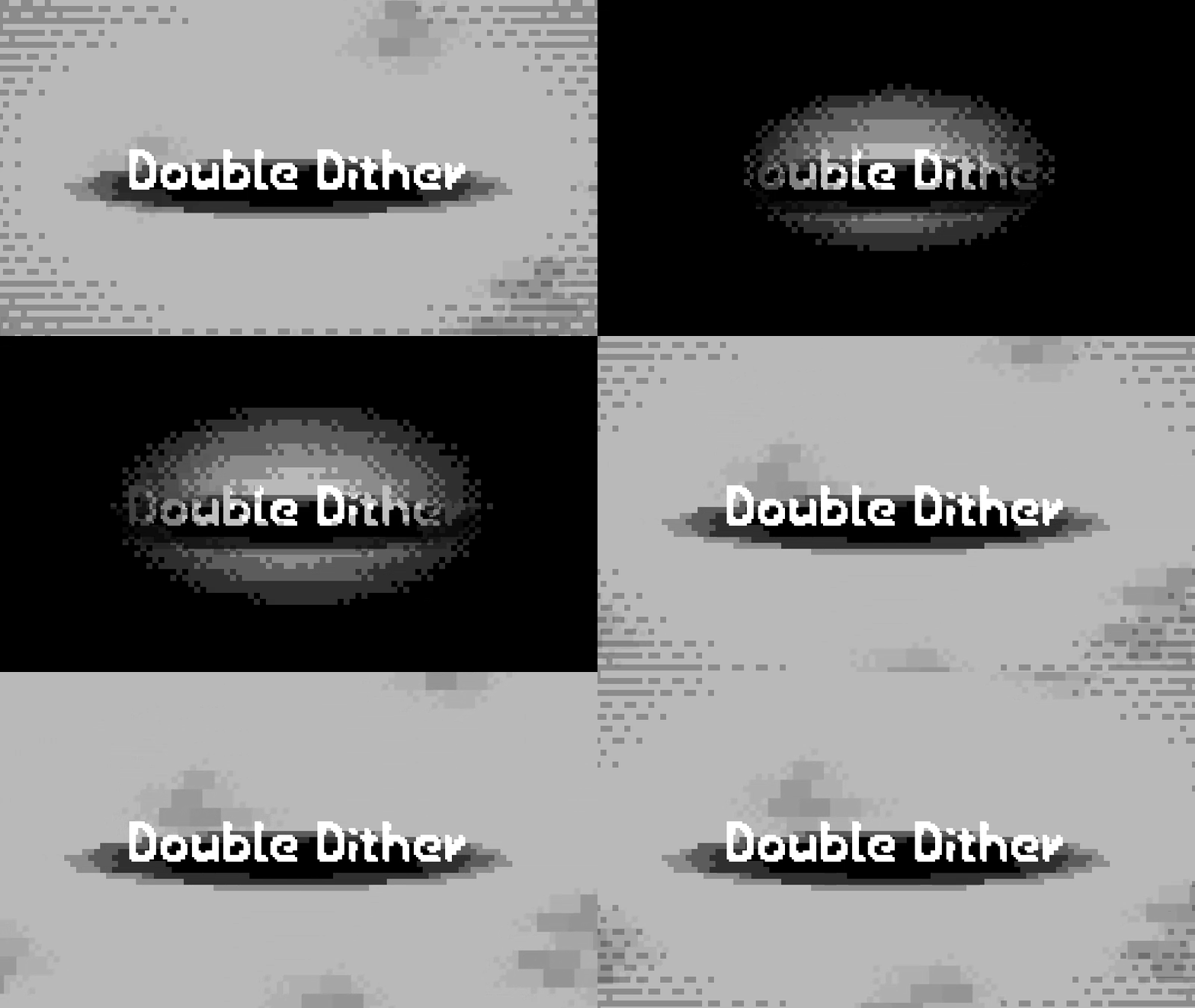
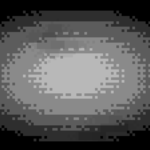
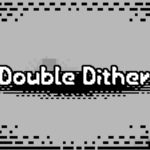
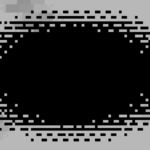
Double Dither is a lightweight Godot shader that combines dithering in a way, that combines two dithering passes resulting in circles with rough and somewhat randomized edges. Using optional blending, results in 5 stepped transparency values for smoother blending, while still maintaining the rough dithered edges.
This shader looks great for transition screens, backgrounds or shadows.
If you like shaders for pixel art, check out my asset for UI shader effects for Godot:
https://nojoule.itch.io/pixel-ui-vfx
Or follow me for more stuff: https://nojoule.itch.io
Shader code
shader_type canvas_item;
render_mode unshaded;

// Center of the circular effect in UV coordinates
uniform vec2 center = vec2(0.5, 0.5);
// Max radius of the effect
uniform float radius: hint_range(0.0, 10.0) = 0.45;
// Size of the pixel blocks used for quantization
uniform float pixel_size : hint_range(1.0, 100.0, 1.0) = 8.0;
// Resolution of the viewport/texture
uniform vec2 resolution = vec2(400.0, 400.0);
// Offset between the two dither circles even/odd numbers look vastly different
uniform vec2 dither_offset = vec2(2.0, 0.0);
// Size of the dither matrix to use (2x2, 4x4, or 8x8)
uniform int bayer_size : hint_enum("2x2", "4x4", "8x8") = 2;
// Whether to interpolate and blend values resulting blending the color with transparent values
uniform bool interpolate = true;
// Invert the effect (hide inside vs hide outside)
uniform bool invert = false;
// Controls how quickly the dither pattern density changes
uniform float falloff: hint_range(0.1, 10.0) = 2.5;
// The output color for the dithered area
uniform vec4 color: source_color = vec4(0.0, 0.0, 0.0, 1.0);

const int bayer2[4] = {
	0, 2,
	3, 1
};

const int bayer4[16] = {
	0, 8, 2, 10,
	12, 4, 14, 6,
	3, 11, 1, 9,
	15, 7, 13, 5
};

const int bayer8[64] = {
	0, 32,  8, 40,  2, 34, 10, 42,
	48, 16, 56, 24, 50, 18, 58, 26,
	12, 44,  4, 36, 14, 46,  6, 38,
	60, 28, 52, 20, 62, 30, 54, 22,
	3, 35, 11, 43,  1, 33,  9, 41,
	51, 19, 59, 27, 49, 17, 57, 25,
	15, 47,  7, 39, 13, 45,  5, 37,
	63, 31, 55, 23, 61, 29, 53, 21
};

float get_bayer2(vec2 coord) {
	int x = int(mod(coord.x, 2.0));
	int y = int(mod(coord.y, 2.0));
	int index = y * 2 + x;
	return (float(bayer2[index]) + 0.5) / 4.0;
}

float get_bayer4(vec2 coord) {
	int x = int(mod(coord.x, 4.0));
	int y = int(mod(coord.y, 4.0));
	int index = y * 4 + x;
	return (float(bayer4[index]) + 0.5) / 16.0;
}

float get_bayer8(vec2 coord) {
	int x = int(mod(coord.x, 8.0));
	int y = int(mod(coord.y, 8.0));
	int index = y * 8 + x;
	return (float(bayer8[index]) + 0.5) / 64.0;
}

float get_dither(vec2 uv, vec2 step_size) {
	vec2 bayer_coord = floor(uv / step_size + 1.0e-5);
	vec2 grid_uv = bayer_coord * step_size + step_size * 0.5;
	float dist = distance(grid_uv, center);
	float t = pow(clamp(dist / radius, 0.0, 1.0), falloff);
	float threshold;
	if (bayer_size == 0) {
		threshold = get_bayer2(bayer_coord);
	} else if (bayer_size == 1) {
		threshold = get_bayer4(bayer_coord);
	} else {
		threshold = get_bayer8(bayer_coord);
	}
	return step(threshold, 1.0 - t);
}

float get_mask(vec2 uv, vec2 step_size, vec2 offset) {
	float d1 = get_dither(uv, step_size);
	float d2 = get_dither(uv - offset, step_size);
	return max(d1, d2);
}

void fragment() {
	vec2 uv_step = pixel_size / resolution;
	vec2 raw_offset_uv = round(dither_offset) * uv_step;
	vec2 effective_offset = interpolate ? raw_offset_uv * 0.5 : raw_offset_uv;
	vec2 centered_uv = UV + effective_offset * 0.5;
	float dither;
	if (interpolate) {
		vec2 sub_step = uv_step * 0.5;
		vec2 quantized_uv = floor(centered_uv / uv_step) * uv_step;

		vec2 q1 = vec2(uv_step.x * 0.25, uv_step.y * 0.25);
		vec2 q3 = vec2(uv_step.x * 0.75, uv_step.y * 0.75);

		float v1 = get_mask(quantized_uv + q1, sub_step, effective_offset);
		float v2 = get_mask(quantized_uv + vec2(q3.x, q1.y), sub_step, effective_offset);
		float v3 = get_mask(quantized_uv + vec2(q1.x, q3.y), sub_step, effective_offset);
		float v4 = get_mask(quantized_uv + q3, sub_step, effective_offset);

		dither = (v1 + v2 + v3 + v4) * 0.25;
	} else {
		vec2 quantized_uv = floor(centered_uv / uv_step) * uv_step;
		dither = get_mask(quantized_uv, uv_step, effective_offset);
	}

	COLOR = vec4(color.rgb, invert ? (1.0 - dither) * color.a : dither * color.a);
}
Live Preview

You are saving my ass and time so much now, amazing work!
very cool!!