

Kuwahara Shader

This is a converted shadertoy shader from https://www.shadertoy.com/view/MsXSz4
The Kuwahara filter can be used as an Sprite or post-processing effect. Just add it to an Sprite2D or TextureRect node and add an input texture. The offset can also be used to tint the canvas.
Shader code
shader_type canvas_item;
uniform int radius = 5;
uniform vec3 offset=vec3(0.0);
void fragment()
 {
     vec2 src_size = vec2 ( SCREEN_PIXEL_SIZE.x,  SCREEN_PIXEL_SIZE.y);
     vec2 uv = UV.xy;
     float n = float((radius + 1) * (radius + 1));
     vec3 m0 = offset; vec3 m1 = offset; vec3 m2 = offset; vec3 m3 = offset;
     vec3 s0 = offset; vec3 s1 = offset; vec3 s2 = offset; vec3 s3 = offset;
     vec3 c;

     for (int j = -radius; j <= 0; ++j)  {
         for (int i = -radius; i <= 0; ++i)  {
             c = texture(TEXTURE, uv + vec2(float(i),float(j)) * src_size).rgb;
             m0 += c;
             s0 += c * c;
         }
     }

     for (int j = -radius; j <= 0; ++j)  {
         for (int i = 0; i <= radius; ++i)  {
             c = texture(TEXTURE, uv + vec2(float(i),float(j)) * src_size).rgb;
             m1 += c;
             s1 += c * c;
         }
     }

     for (int j = 0; j <= radius; ++j)  {
         for (int i = 0; i <= radius; ++i)  {
             c = texture(TEXTURE, uv + vec2(float(i),float(j)) * src_size).rgb;
             m2 += c;
             s2 += c * c;
         }
     }

     for (int j = 0; j <= radius; ++j)  {
         for (int i = -radius; i <= 0; ++i)  {
             c = texture(TEXTURE, uv + vec2(float(i),float(j)) * src_size).rgb;
             m3 += c;
             s3 += c * c;
         }
     }


     float min_sigma2 = 1e+2;
     m0 /= n;
     s0 = abs(s0 / n - m0 * m0);

     float sigma2 = s0.r + s0.g + s0.b;
     if (sigma2 < min_sigma2) {
         min_sigma2 = sigma2;
         COLOR = vec4(m0, 1.0);
     }

     m1 /= n;
     s1 = abs(s1 / n - m1 * m1);

     sigma2 = s1.r + s1.g + s1.b;
     if (sigma2 < min_sigma2) {
         min_sigma2 = sigma2;
         COLOR = vec4(m1, 1.0);
     }

     m2 /= n;
     s2 = abs(s2 / n - m2 * m2);

     sigma2 = s2.r + s2.g + s2.b;
     if (sigma2 < min_sigma2) {
         min_sigma2 = sigma2;
         COLOR = vec4(m2, 1.0);
     }

     m3 /= n;
     s3 = abs(s3 / n - m3 * m3);

     sigma2 = s3.r + s3.g + s3.b;
     if (sigma2 < min_sigma2) {
         min_sigma2 = sigma2;
         COLOR = vec4(m3, 1.0);
     }
 }
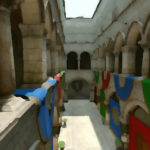
Live Preview


this work on 3D projects ? i can’t manage to work. can you give an example ?
it does. you need to to render your 3D game to an texturerect and apply the shader.
Use this in the shader material in color rect
vGodot4.1.3
shader_type canvas_item; uniform int radius = 5; uniform vec3 offset=vec3(0.0); uniform sampler2D SCREEN_TEXTURE : hint_screen_texture; void fragment() { vec2 src_size = vec2 ( SCREEN_PIXEL_SIZE.x, SCREEN_PIXEL_SIZE.y); vec2 uv = SCREEN_UV.xy; float n = float((radius + 1) * (radius + 1)); vec3 m0 = offset; vec3 m1 = offset; vec3 m2 = offset; vec3 m3 = offset; vec3 s0 = offset; vec3 s1 = offset; vec3 s2 = offset; vec3 s3 = offset; vec3 c; for (int j = -radius; j <= 0; ++j) { for (int i = -radius; i <= 0; ++i) { c = texture(SCREEN_TEXTURE, uv + vec2(float(i),float(j)) * src_size).rgb; m0 += c; s0 += c * c; } } for (int j = -radius; j <= 0; ++j) { for (int i = 0; i <= radius; ++i) { c = texture(SCREEN_TEXTURE, uv + vec2(float(i),float(j)) * src_size).rgb; m1 += c; s1 += c * c; } } for (int j = 0; j <= radius; ++j) { for (int i = 0; i <= radius; ++i) { c = texture(SCREEN_TEXTURE, uv + vec2(float(i),float(j)) * src_size).rgb; m2 += c; s2 += c * c; } } for (int j = 0; j <= radius; ++j) { for (int i = -radius; i <= 0; ++i) { c = texture(SCREEN_TEXTURE, uv + vec2(float(i),float(j)) * src_size).rgb; m3 += c; s3 += c * c; } } float min_sigma2 = 1e+2; m0 /= n; s0 = abs(s0 / n - m0 * m0); float sigma2 = s0.r + s0.g + s0.b; if (sigma2 < min_sigma2) { min_sigma2 = sigma2; COLOR = vec4(m0, 1.0); } m1 /= n; s1 = abs(s1 / n - m1 * m1); sigma2 = s1.r + s1.g + s1.b; if (sigma2 < min_sigma2) { min_sigma2 = sigma2; COLOR = vec4(m1, 1.0); } m2 /= n; s2 = abs(s2 / n - m2 * m2); sigma2 = s2.r + s2.g + s2.b; if (sigma2 < min_sigma2) { min_sigma2 = sigma2; COLOR = vec4(m2, 1.0); } m3 /= n; s3 = abs(s3 / n - m3 * m3); sigma2 = s3.r + s3.g + s3.b; if (sigma2 < min_sigma2) { min_sigma2 = sigma2; COLOR = vec4(m3, 1.0); } }What do you mean with add an input texture?
If u are using Godot 4 then use this code instead.
shader_type canvas_item; uniform int radius = 5; uniform vec3 offset=vec3(0.0); uniform sampler2D SCREEN_TEXTURE : hint_screen_texture; void fragment() { vec2 src_size = vec2 ( SCREEN_PIXEL_SIZE.x, SCREEN_PIXEL_SIZE.y); vec2 uv = SCREEN_UV.xy; float n = float((radius + 1) * (radius + 1)); vec3 m0 = offset; vec3 m1 = offset; vec3 m2 = offset; vec3 m3 = offset; vec3 s0 = offset; vec3 s1 = offset; vec3 s2 = offset; vec3 s3 = offset; vec3 c; for (int j = -radius; j <= 0; ++j) { for (int i = -radius; i <= 0; ++i) { c = texture(SCREEN_TEXTURE, uv + vec2(float(i),float(j)) * src_size).rgb; m0 += c; s0 += c * c; } } for (int j = -radius; j <= 0; ++j) { for (int i = 0; i <= radius; ++i) { c = texture(SCREEN_TEXTURE, uv + vec2(float(i),float(j)) * src_size).rgb; m1 += c; s1 += c * c; } } for (int j = 0; j <= radius; ++j) { for (int i = 0; i <= radius; ++i) { c = texture(SCREEN_TEXTURE, uv + vec2(float(i),float(j)) * src_size).rgb; m2 += c; s2 += c * c; } } for (int j = 0; j <= radius; ++j) { for (int i = -radius; i <= 0; ++i) { c = texture(SCREEN_TEXTURE, uv + vec2(float(i),float(j)) * src_size).rgb; m3 += c; s3 += c * c; } } float min_sigma2 = 1e+2; m0 /= n; s0 = abs(s0 / n - m0 * m0); float sigma2 = s0.r + s0.g + s0.b; if (sigma2 < min_sigma2) { min_sigma2 = sigma2; COLOR = vec4(m0, 1.0); } m1 /= n; s1 = abs(s1 / n - m1 * m1); sigma2 = s1.r + s1.g + s1.b; if (sigma2 < min_sigma2) { min_sigma2 = sigma2; COLOR = vec4(m1, 1.0); } m2 /= n; s2 = abs(s2 / n - m2 * m2); sigma2 = s2.r + s2.g + s2.b; if (sigma2 < min_sigma2) { min_sigma2 = sigma2; COLOR = vec4(m2, 1.0); } m3 /= n; s3 = abs(s3 / n - m3 * m3); sigma2 = s3.r + s3.g + s3.b; if (sigma2 < min_sigma2) { min_sigma2 = sigma2; COLOR = vec4(m3, 1.0); } }This doesn’t work in Godot 4, so I made some changes.
CanvasLayer >> ColorRect >> Material>>ShaderMaterial>>Paste this Code
shader_type canvas_item; uniform int radius = 5; uniform vec3 offset=vec3(0.0); uniform sampler2D SCREEN_TEXTURE : hint_screen_texture; void fragment() { vec2 src_size = vec2 ( SCREEN_PIXEL_SIZE.x, SCREEN_PIXEL_SIZE.y); vec2 uv = SCREEN_UV.xy; float n = float((radius + 1) * (radius + 1)); vec3 m0 = offset; vec3 m1 = offset; vec3 m2 = offset; vec3 m3 = offset; vec3 s0 = offset; vec3 s1 = offset; vec3 s2 = offset; vec3 s3 = offset; vec3 c; for (int j = -radius; j <= 0; ++j) { for (int i = -radius; i <= 0; ++i) { c = texture(SCREEN_TEXTURE, uv + vec2(float(i),float(j)) * src_size).rgb; m0 += c; s0 += c * c; } } for (int j = -radius; j <= 0; ++j) { for (int i = 0; i <= radius; ++i) { c = texture(SCREEN_TEXTURE, uv + vec2(float(i),float(j)) * src_size).rgb; m1 += c; s1 += c * c; } } for (int j = 0; j <= radius; ++j) { for (int i = 0; i <= radius; ++i) { c = texture(SCREEN_TEXTURE, uv + vec2(float(i),float(j)) * src_size).rgb; m2 += c; s2 += c * c; } } for (int j = 0; j <= radius; ++j) { for (int i = -radius; i <= 0; ++i) { c = texture(SCREEN_TEXTURE, uv + vec2(float(i),float(j)) * src_size).rgb; m3 += c; s3 += c * c; } } float min_sigma2 = 1e+2; m0 /= n; s0 = abs(s0 / n - m0 * m0); float sigma2 = s0.r + s0.g + s0.b; if (sigma2 < min_sigma2) { min_sigma2 = sigma2; COLOR = vec4(m0, 1.0); } m1 /= n; s1 = abs(s1 / n - m1 * m1); sigma2 = s1.r + s1.g + s1.b; if (sigma2 < min_sigma2) { min_sigma2 = sigma2; COLOR = vec4(m1, 1.0); } m2 /= n; s2 = abs(s2 / n - m2 * m2); sigma2 = s2.r + s2.g + s2.b; if (sigma2 < min_sigma2) { min_sigma2 = sigma2; COLOR = vec4(m2, 1.0); } m3 /= n; s3 = abs(s3 / n - m3 * m3); sigma2 = s3.r + s3.g + s3.b; if (sigma2 < min_sigma2) { min_sigma2 = sigma2; COLOR = vec4(m3, 1.0); } }Hey, this doesn’t seem to work, I just get a blank image instead of the intended effect…